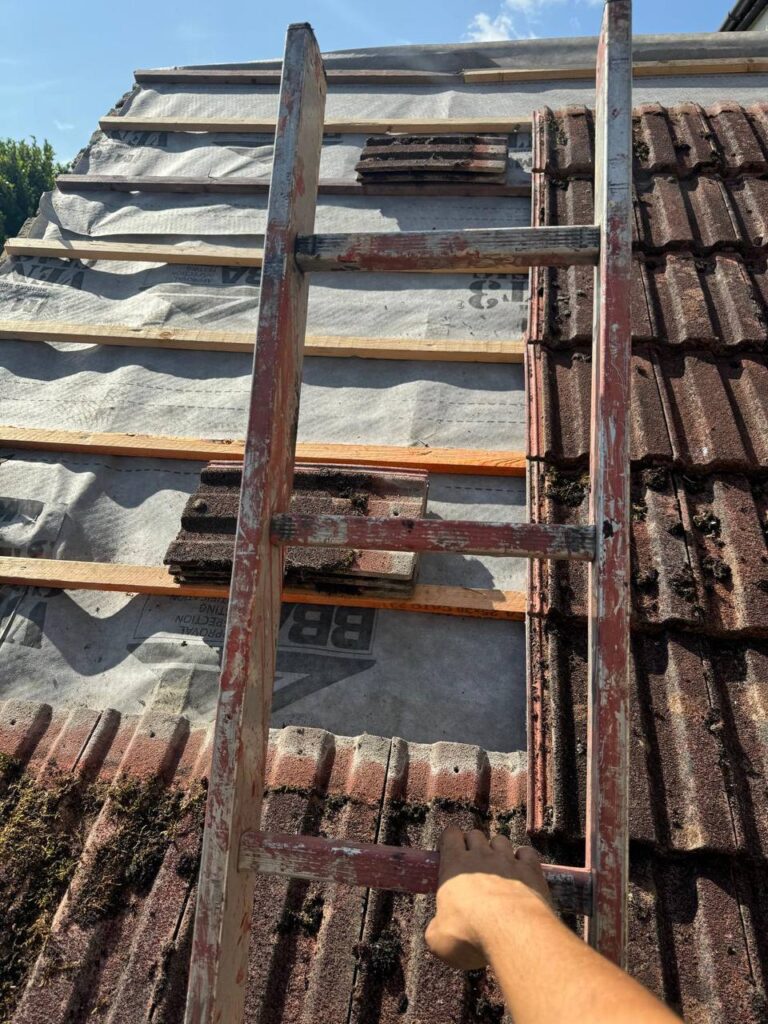
A roof replacement is a substantial property improvement, but it does not have to make everyday life unnecessarily difficult. Clear planning, good communication and sensible preparation can help the work progress efficiently while protecting the home and its contents.
For homeowners in Hunstanton, Norfolk, understanding what the project involves makes it easier to prepare each part of the property before roofing work begins.
Planning for a Smoother Roof Replacement
The level of disruption will depend on the roof’s size, design and condition. Access requirements, weather and any hidden deterioration uncovered after removing the old covering can also influence how the work progresses.
A professional roofing contractor should explain the expected sequence of work and identify anything the homeowner needs to arrange beforehand.
Discuss the Work Schedule in Advance
Ask the roofer to outline the main stages of the project, including material delivery, removal of the existing covering, preparation of the roof structure and installation of the new system.
The schedule may need to remain flexible because roofing work is weather-dependent. Nevertheless, knowing the expected order of work helps the household plan around the busiest or noisiest stages.
Establish who will provide updates and how changes to the schedule will be communicated.
Prepare Access to the Property
Roofers need clear access for equipment, materials and waste removal. Vehicles, garden furniture, plant pots and other movable items should be relocated from the agreed working areas.
Keeping entrances and pathways clear reduces unnecessary delays and helps prevent items from being damaged. If the property has restricted access, discuss this before work begins so an appropriate arrangement can be made.
Protect Items Stored in the Loft
Removing tiles, slates and battens can dislodge dust and small fragments within the roof space. Belongings stored in the loft should be removed where possible or covered securely.
Sensitive items should be moved to another part of the property until the work is complete. It is also helpful to leave clear access to the loft in case the roofer needs to inspect the underside of the roof or assess previously concealed areas.
Remove Fragile Items From Walls and Shelves
Roof replacement involves movement, hammering and other activity that can create vibrations through the building. Pictures, mirrors and fragile ornaments positioned near external walls or on high shelves should be moved temporarily.
This simple preparation reduces the likelihood of household items shifting or falling while work is taking place overhead.
Plan for Noise During Working Hours
Some noise is unavoidable when an existing roof is removed and new materials are installed. Households working from home may find it helpful to relocate calls, meetings or concentration-heavy tasks during the busiest periods.
Discussing normal working hours in advance allows everyone in the household to plan accordingly. Young children and pets may also be more comfortable spending time in a quieter part of the property.
Keep Children and Pets Away From Work Areas
Roof replacement requires ladders, scaffolding, tools and regular movement around the outside of the property. Children and pets should remain away from designated working and storage areas.
Gates should be kept secure, and anyone arriving at the property should know where it is safe to enter. Clear separation between household activity and the roofing work helps the project proceed without unnecessary interruption.
Make Space for Materials and Waste
Tiles, slates, battens and other materials need to be stored safely before installation. The removed roofing materials will also need a designated collection area.
Agreeing these locations beforehand can protect lawns, planting and frequently used access routes. It also prevents materials from being placed in areas that the household needs during the project.
Keep Windows Closed Near Active Work
Dust and small particles may be released while the old roof covering is removed. Keeping nearby windows closed during active work can help prevent debris from entering the property.
Cars and outdoor furniture should also be moved away from the immediate work zone. The contractor should explain which sections of the property may be affected as the project progresses.
Maintain Clear Communication With the Roofer
Good communication is one of the most effective ways to minimise disruption. Homeowners should know whom to contact with questions and should receive updates when weather, material deliveries or unexpected findings affect the programme.
Likewise, the roofing team should be informed about household requirements that could influence access or working arrangements. Addressing these matters early is easier than making changes after work has started.
Prepare for Hidden Roof Defects
Some deterioration becomes visible only after the old covering is removed. Damaged battens, weakened underlay or affected roof timbers may require attention before the new covering can be installed.
A professional contractor should explain what has been found, why it matters and how it affects the planned work. Allowing for this possibility helps homeowners understand why the schedule may sometimes need to change.
Avoid Unnecessary Access to the Work Area
Although it can be tempting to inspect the progress closely, roofing work areas should remain under the contractor’s control. Tools, loose materials and exposed sections of the roof can create hazards for anyone unfamiliar with the site.
Questions about progress are best directed to the agreed contact rather than approaching roofers while they are carrying out work at height.
What Good Project Management Should Provide
A well-managed roof replacement should include:
- a clear explanation of the proposed work
- an organised sequence of construction
- suitable access and material storage
- protection for exposed parts of the property
- regular updates during the project
- careful management of debris
- inspection of the supporting roof structure
- a thorough check of the completed installation
These measures help the work progress efficiently while limiting its effect on the household.
Conclusion
Household disruption during roof replacement can be reduced through early preparation, organised access and consistent communication. Clearing external work areas, protecting loft contents, planning around noise and keeping children and pets away from the site can make the process considerably smoother.
Professional project management is equally important. If you are considering a roof replacement in Hunstanton, Norfolk, contact Hunstanton Roofing Services to arrange an assessment and discuss how the work can be planned around your property and household.
Call us on: 01485 506 937
Click here to find out more about Hunstanton Roofing Services
Click here to complete our contact form and see how we can help with your roofing needs.